
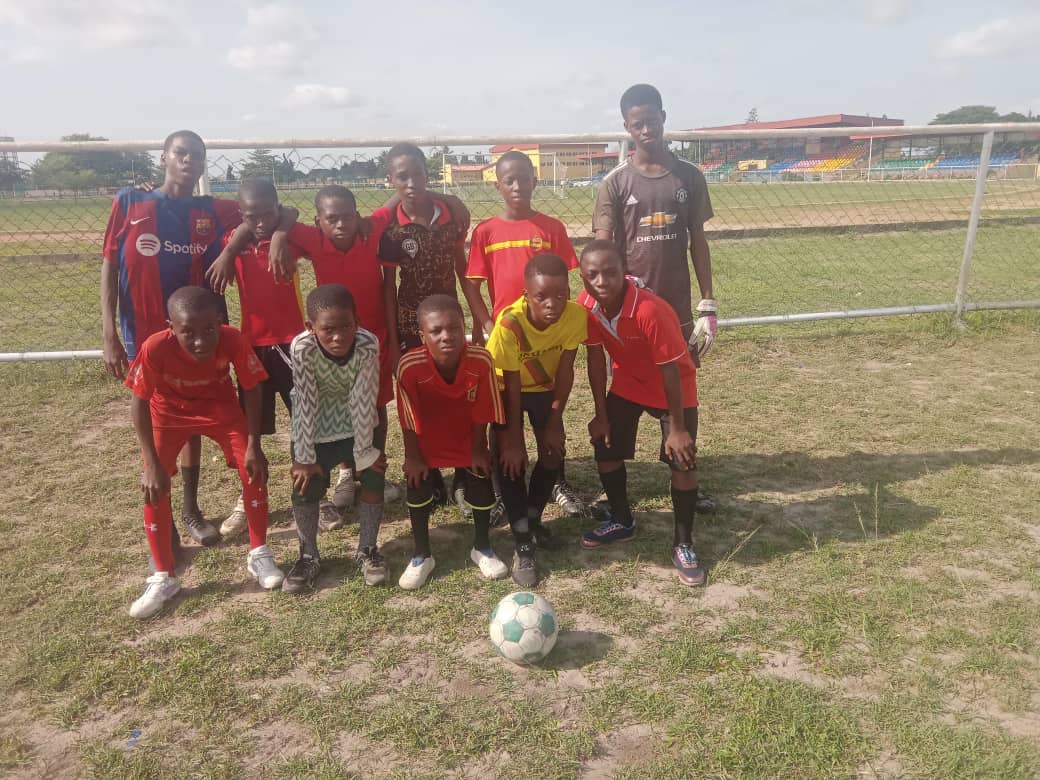
When young people from rival communities are handed the same jersey, something quietly extraordinary happens: the line they were told to defend stops making sense.
This is the heart of our slogan. Fostering peace through sports is not decoration on a crest - it is a method, and it works because sport creates the three conditions peace-building requires: contact, cooperation and a shared goal.
1. Contact Replaces Rumour
Most youth conflict is built on distance. Young people inherit suspicion about a neighbourhood they have never entered and children they have never met. A tournament fixture ends that in ninety minutes.
2. Cooperation Requires Trust
You cannot play a passing game with someone you refuse to look at. Team sport forces trust into existence through necessity, and trust practised on a pitch rarely stays on the pitch.
- Mixed-community teams rather than community-versus-community fixtures.
- Shared responsibilities: setting up, warming up, cleaning up together.
- Post-match conversations facilitated by coaches, not left to chance.
It is very difficult to fear a young person after you have celebrated a goal with them.
3. A Shared Goal Outranks Old Divisions
Identity is flexible in adolescence. When the strongest identity available is "our team", the older divisions lose their grip. We deliberately design competitions so that the strongest identity in the room is one that includes everyone.
Beyond The Final Whistle
Our peace workshops pair fixtures with conversation: conflict resolution, respect for officials, handling provocation, and the responsibility of representing a community well. Athletes then carry these habits into school corridors and street corners.
Measuring Something That Matters
We track attendance across communities, repeat participation, and the number of athletes who return as volunteer mentors. Growth in those numbers tells us more about our impact than any trophy cabinet.
Peace is not the absence of rivalry. It is rivalry with respect - and sport teaches that better than almost anything else we have.