
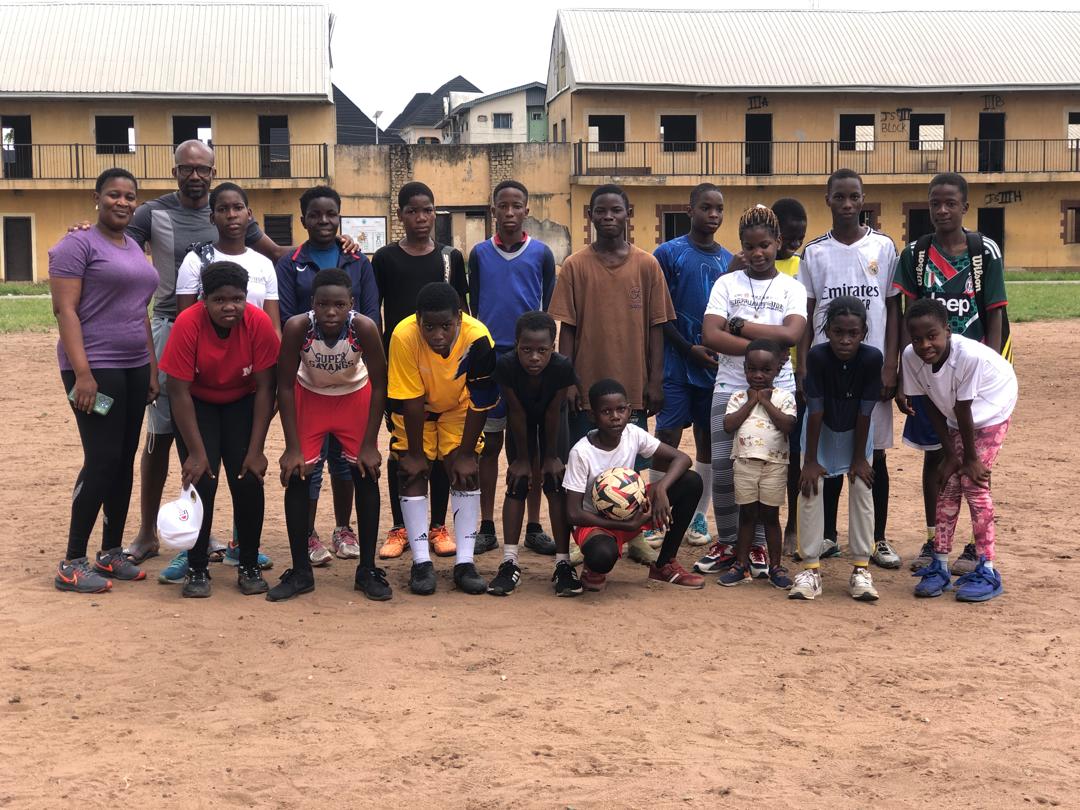
Ask most parents what they want sport to give their child and they will say fitness, focus, maybe a scholarship. Ask a coach who has spent a decade on dusty pitches and the answer is different: sport gives a young person their first honest experience of leadership.
Leadership is not a lecture. It is a habit formed under pressure, in public, with consequences. A football pitch delivers all three before a child turns thirteen.
1. Responsibility Becomes Visible
In a classroom a student can hide. On a pitch, every decision is seen. When a midfielder loses possession, ten teammates feel it immediately. That visibility teaches ownership faster than any assignment. Our athletes learn to say "that was mine" without shame, then fix it in the next passage of play.
2. Communication Under Pressure
Leaders speak clearly when it is hardest to speak at all. Training games force young people to call for the ball, warn a defender, calm a frustrated teammate and accept correction from a captain their own age.
- Clarity: short, useful instructions instead of noise.
- Timing: knowing when to encourage and when to be quiet.
- Tone: firmness without disrespect, especially after a mistake.
A captain is not the loudest player. A captain is the player whose voice makes others calmer.
3. Service Before Status
At Emmanuel Ekeji Sports Academy, the armband rotates. Every athlete leads warm-ups at some point in the season, and every athlete carries equipment. Leadership that begins with service produces leaders who do not confuse authority with privilege.
4. Handling Defeat Without Losing Direction
Sport guarantees loss. Learning to review a defeat honestly, isolate what can be improved and return to training on Monday builds a resilience that transfers directly into school, work and family life.
What Parents Can Do
Ask your child what they contributed to the team this week, not just whether they won. The question shapes the identity: a contributor, not a spectator of their own life.
That, more than any trophy, is what we mean when we say we are building champions on and off the field.